

Installing the Very Small Wood Burning Stove
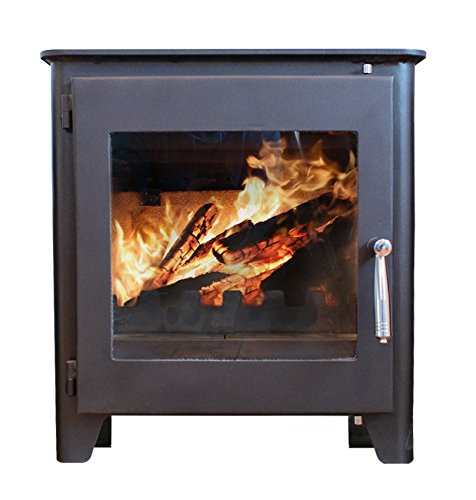
Wood stoves are being installed more and more in homes that are smaller and better insulated. The smaller wood-burning stoves are perfect for these areas. They have significant health benefits.
They also work well for caravans, yurts, shepherd's huts and sheds. But, it is crucial to remember that you need to keep a safe distance from the stove and any combustible object.
How to install a small wood stove?
A wood-burning stove can be the ideal method to heat a small home without increasing the energy bill and without the use of petroleum. Installing the stove isn't simple. To ensure that your stove is installed safely and correctly you must follow a number of crucial steps. Make sure you have all the tools needed and follow the guidelines of the manufacturer prior to you begin. It is also recommended to consult a professional who is certified.
The first step is to prepare the area where the stove installation will take place. This includes removing combustible materials and making the foundation for the hearth. You can then build a hearth, and install the stove. A hearth is a piece of noncombustible, fire-resistant material that shields the floor beneath the stove. It also provides a stable base for the tubes of metal which transport smoke and odors from the home.
You can choose to use the hearth pad already made or make your own. The pad should be made of fire-resistant tiles or concrete. It must be fixed to the floor using high-temperature cement, which is readily available at home improvement stores. Check that the hearth is placed over the stove, and that it is in compliance with the side clearance requirements.
The next step is to select the type of chimney pipe you prefer to use. You can select between single wall or double wall black stove pipe(opens in a new tab). The choice will be dependent on the distance between your stove and the combustible materials. The recommended distance should be determined by the guidelines of the manufacturer and local building codes.
If you are unable to locate your stove within recommended distances, then you can put in heat shields to limit the clearance needed. However, you should consult with your local fire department and the insurance company to determine if this is allowed.
Installing a fan that blows the hot air from the room is another option. This helps the stove make the room more evenly heated. Then, you can move your furniture closer to the fireplace and enjoy an inviting fireplace. Remember to only burn dried, seasoned wood in your stove. If you don't the ash is risky for your family.
Space requirements
Wood stoves are a common choice for many people, but they need to be understood in terms of the space they will require. The amount of space you'll need around your stove depends on the size of the room as well as the output of your stove. If you don't have enough room for a stove you may think about other heating sources.
The space requirements of a small wood burning stove can vary depending on the manufacturer, however in general, you should leave at least two feet (60 cm) between the stove and combustible material. This includes combustible ceilings and walls, so make sure that you have sufficient space before installing your stove. It is also advisable to inquire with your insurance provider to determine what requirements they have for the stove.
You can cut down on the space needed for a small wood stove by using venting systems that have an insulated flue tube. This will decrease the amount of space you have to leave around the stove, and will also prevent smoke from getting into the room. Check the manufacturer's guidelines prior to selecting a venting option for your small wood stove.
A heat shield can be used to reduce the distance between your wood stove and the combustible materials. The shields can be purchased from the manufacturer and fitted to either the front or the back of the wood stove. In addition, you can also use a double wall flue pipe to minimize the space you must leave between your stove and combustible materials.
An excellent alternative for a small wood stove is to use the fireback made of metal. This can be purchased from the local hardware store and is a great option to shield your walls from fire damage. A fireback can keep hot embers from falling on your floor or furniture and aid in eliminating the need for chimney caps.
A small wood-burning stove is an excellent choice for apartments and homes with limited space. This type of stove provides efficient heating at a less cost than other alternatives. In addition, wood is a renewable resource and is easy to find locally.
Flue system
Flue systems work as a conduit for guiding smoke and gasses from the stove outside your home. The gases can build up in the space without a flue and can pose a serious health hazard. They can also create a dangerous draught.
It is important to select the flue system that is compatible with the dimensions of your stove and power output. The flue pipe should be at least 25 percent larger than the stove's to allow for adequate draft and smoke passage. The flue pipe must be properly and properly insulated. A properly insulated flue pipe prevents loss of heat and keeps the temperature within the stove at a low level, improving efficiency.
You should also take into consideration the location where your tiny wood stove will be when choosing the flue. If your stove will be in a mobile home or caravan, it is best to choose a system that is able to be easily removed when the unit is relocated. If you plan to install your stove in a permanent home then you should select an internal system. In this scenario, the flue pipe will be run through the wall and ceiling of your home. Alternatively, you can install an external twin-wall flue system. These systems are simple to fit and require less disruption to your home's interior.
It is not recommended to set up an already-built chimney on a tiny wood-burning stove. This method can be expensive and risky if not done properly. An alternative is to install a flexi flue liner. conservatory wood burner are available in a variety of sizes and grades, and can be cut according to the size of your stove. It is crucial to choose the correct grade of flue liner for your stove, because it will affect how effectively the smoke and gasses are carried up the chimney.
It is essential to follow the UK building regulations when installing a flue system. These regulations outline requirements, such as the distance between combustibles as well as the flue system, the route of the flue, as well as the size of the hearth. It is also crucial to install CO detectors in the room where the stove will be placed. The device will notify you if it detects hazardous levels of this odourless, poisonous gas.
Safety precautions
Wood stoves are a very popular method of heating homes, but they can also cause fire hazard if they are not properly installed or operated. In fact, over 4,000 home fires are caused each year by wood stoves that have not been operating or installed according to manufacturer's guidelines. Fortunately, these fires can be prevented by taking simple safety precautions. These measures include proper venting, and avoiding burning trash and other materials on the stove, as well as keeping children and pets far away from the fireplace or wood stove.
A wood stove must be vented via a metal chimney that extends at least one millimeter above the roof of the house. It should not be connected to a flue used by a different appliance, such as furnace or boiler, which could cause toxic carbon monoxide gas to leak into your home. Additionally, the chimney should be checked regularly to prevent creosote buildup and other dangerous conditions.
The stove should be located at least three meters away from walls and furniture to prevent the buildup of heat and smoke in these areas. Additionally, the stove should be placed on a noncombustible base. A professional mason should inspect the stove's chimney and wood stove on a regular basis to ensure that the chimney is free of obstructions.
It is crucial to use only seasoned, dry wood for a wood stove. Greenwood that is wet will take longer to burn and produces more smoke. wood burning stoves on sale can also cause the room to be filled with toxic toxins, and smoke inhalation.
When starting a fire in the wood stove, it's crucial to only add a few pieces of dry, well-seasoned wood at a time. Placing too much wood in the stove can lead to an overheated stove and possibly a chimney fire. Paper and garbage should not be burned in wood stoves as they release toxic fumes.
It is a great idea to test a stove's performance prior to each winter. Burn two or three small pieces prepared wood for a few minutes. This will reveal any creosote or other obstructions that might have built up in the chimney.