

Wood Burners Near Me
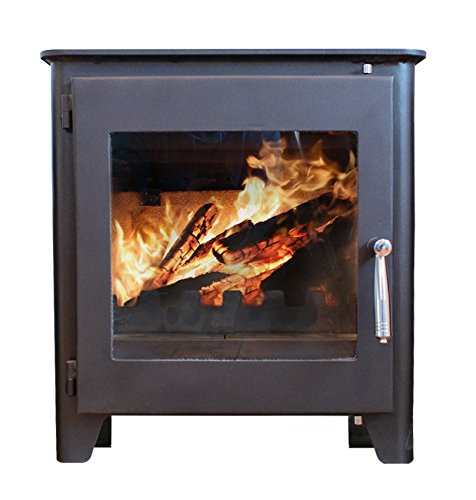
Wood burners are a great alternative to electricity or fossil fuels for heating your home. Modern wood stoves are more efficient than previous ones with lower emissions and delivering more heat for the same amount of wood.
Studies of newer EPA-compliant wood stoves show that they lower levels of harmful particulates in the ambient air by around 30 percent. However, these benefits come with limitations.
Cost
A fireplace that burns wood is a great option when you are looking to heat your home with a low cost. They come in a variety of styles and designs that can add a touch of sophistication to your home. They're also extremely efficient and can convert up to 75% energy into heat. They're also easy to maintain and make them a great choice for any home.
The price of a nearby wood burner is according to the size and the type of unit. There are two kinds of wood burners: standard boilers and gasification units. Standard boilers are priced between $5,000 and $12,000 while gasification units range from about $6,000 to $14,000. Both are superior to other heating options, and both are in line with EPA guidelines for residential use.
In addition to the cost of a wood-burning fireplace, you'll also need to pay for firewood. You can purchase it at stores but it's generally cheaper to make your own. You'll need to buy chainsaws and also protective gear. In addition, if you are collecting firewood on public land, you'll need to purchase an authorization.
A different option to the traditional wood-burning stove is a pellet boiler that makes use of compressed sawdust, or corn. These stoves are less expensive than wood-burning appliances, but require more space to store fuel. They are also more efficient and produce less smoke than traditional wood-burning stoves. They do come with higher installation costs than other options. The most well-known brand of pellet boiler is Crown Royal, which offers a range of sizes and styles to fit all budgets.
Energy efficiency
A wood stove is an excellent alternative to a conventional fireplace. They are designed to provide energy efficiency and are less expensive than electricity or gas. They emit low EPA emission and create a warm home atmosphere. The beauty of a wood-burning fireplace is unmatched and can make your home appear more welcoming. However, it is important to ensure that the chimney is properly insulated and sealed. If you don't do this, heat will be leaking through the chimney into your home, thereby increasing your heating costs.
If you're planning to purchase a new wood-burning stove, be sure it has an overall efficiency of 72 percent. This is a better measure of how well the unit can transfer heat than the efficiency of combustion, which is not always mentioned in advertisements. The EPA has an official list of wood heaters that include the overall effectiveness of each one.
It is also essential to choose a wood stove that is appropriate for the area to be heated. An over-sized appliance will waste fuel and pollute the indoor air with smoke. An under-sized burner will not provide enough heat and could cause drafts.
To make the most of your wood stove, it is important to keep it clean. Clean the interior of your stove with a wirebrush on a regular basis. This will help prevent the build-up of soot that can reduce the effectiveness of wood stoves by 50%. You should also inspect the flue regularly to prevent air leakage and debris accumulation.
If you're planning to install a wood-burning fireplace, consider purchasing a prefabricated chimney system. conservatory wood burner are available in a variety of sizes and can be installed to fit your home's design. They are simple to maintain, and can be cleaned using an oil-based cleaner for wood burning or a spray that is specifically designed for this purpose. It's also a good idea to use firewood that's sourced from local forests. They are a mix of species and are more efficient than other types of. Additionally, they are more affordable and produce less ash.
Safety
Fireplaces and stoves that burn wood can generate outdoor and indoor emissions that can be harmful to health. These emissions can be minimized by using a modern, well-engineered combustion appliance. However, they can still contribute to poor air quality and increase the likelihood of fire.
To ensure your home is safe, make sure to use only clean, dry wood. Also, avoid smoky fires. Also, you should be aware of the local rules and rules. Certain areas ban burning during periods when the air is stagnant or there are temperature inversions. Other areas have strict rules regarding the purchase and use of stoves and fireplaces with wood-burning.
Wood burning can release carbon monoxide, as well as other air pollutants which can cause health issues. Exposure to these gases can worsen existing lung and heart diseases, especially in people with chronic respiratory ailments. It can also cause eye nasal, throat, and eye irritation and headaches. Teenagers, children, older adults, and those with heart disease are at a higher chance of experiencing these consequences. Carbon monoxide does not smell or taste, so it is difficult to detect before symptoms begin.
If you own a wood-burning stove, you should regularly remove ashes and put them in an aluminum container outside of your home. Be sure to keep the flue ajar when you're igniting the fire and burning wood. This will help prevent the build-up in your chimney of creosote and other harmful substances.
Children should always be supervised when using the wood stove. They should be taught to keep at least a foot away from it. In case of emergency, it is important to keep a fire extinguisher belonging to class A close to the wood stove. Pyrography is a fun hobby however, it is crucial to follow safety guidelines to protect yourself from heat injuries. Wear thick leather gloves whenever you are handling hot tools. Be careful when using the tweezers that come with certain wood-burning tools. They can be extremely hot. If you're not sure whether the tool is hot, hover your fingers over it for some time to see whether it's warm.